Brand reputation is the most important matter in today’s highly competitive world. A single negative review on Amazon, a viral complaint on Twitter, or a mention in an industry blog can significantly impact customer perception and sales. Traditional brand monitoring methods—manually checking review sites and social platforms—are no longer sufficient for businesses that need real-time insights into their online presence.
Web scraping has emerged as the definitive solution for comprehensive brand monitoring, enabling businesses to automatically detect, collect, and analyze reviews and mentions across the entire digital ecosystem. This technology transforms reactive reputation management into proactive brand intelligence, giving companies the power to respond instantly to customer feedback and market conversations.
The Evolution of Brand Monitoring Technology
Brand monitoring has revolutionized from the days of Google Alerts and manual social media checks. Modern businesses require sophisticated systems that can process thousands of data points across hundreds of platforms simultaneously. Web scraping technology makes this possible by automating the collection of brand mentions, customer reviews, and sentiment data from virtually any online source.
The retail industry, in particular, has adapted advanced brand monitoring techniques. Major retailers now deploy scraping systems that monitor competitor pricing, track customer sentiment across multiple review platforms, and identify emerging trends in consumer feedback. This shift represents a fundamental change in how businesses understand and respond to their market position.
Traditional monitoring tools often miss critical mentions or provide delayed alerts when time-sensitive issues arise. Web scraping services by RetailGators reduces these gaps by creating comprehensive monitoring networks that capture brand mentions the moment they appear online. This real-time capability has become essential for maintaining competitive advantage in fast-moving markets.
Core Components of Automated Brand Monitoring Systems
Review Scraping Infrastructure
Review scraping forms the backbone of effective brand monitoring systems. Modern scraping infrastructure must handle diverse review platforms—from major sites like Amazon, Yelp, and Google Reviews to niche industry-specific platforms and international marketplaces. Each platform presents unique technical challenges, from dynamic loading mechanisms to anti-bot protection systems.
Successful review scraping requires robust architecture that can scale across multiple data sources while maintaining consistent data quality. The infrastructure must handle JavaScript-heavy sites, mobile-responsive layouts, and frequently changing page structures. Advanced systems employ headless browsers, rotating proxy networks, and intelligent retry mechanisms to ensure reliable data collection.
The technical complexity extends beyond simple data extraction. Effective review scraping systems must normalize data formats across platforms, handle different rating systems (five-star, ten-point, thumbs up/down), and process multilingual content. This normalization enables meaningful analysis across diverse data sources and provides actionable insights for brand managers.
Real-Time Mention Detection
Beyond reviews, comprehensive brand monitoring requires tracking mentions across news sites, blogs, forums, social media platforms, and industry publications. Real-time mention detection systems use sophisticated crawling algorithms that continuously scan target websites for brand-related content.
These systems employ natural language processing to identify both direct brand mentions and contextual references. Advanced detection algorithms can recognize product names, executive mentions, and related keywords that indicate brand discussions. The technology distinguishes between promotional content, news coverage, and organic customer conversations, providing context-rich data for analysis.
Modern mention detection goes beyond simple keyword matching. Machine learning algorithms analyze content context, identify sentiment indicators, and assess the potential impact of mentions based on source authority and audience reach. This intelligent filtering ensures that brand managers receive alerts for genuinely significant mentions while avoiding notification fatigue from low-impact references.
Implementing Comprehensive Customer Feedback Tracking
Multi-Platform Data Integration
Effective customer feedback tracking requires seamless integration across multiple platforms and data sources. Modern systems aggregate reviews from e-commerce sites, social media platforms, comparison sites, and industry-specific review platforms into unified dashboards. This integration provides complete visibility into customer sentiment across all touchpoints.
The integration process involves complex data mapping and standardization procedures. Each platform structures feedback differently—star ratings, numerical scores, written reviews, visual content, and social engagement metrics. Successful integration systems normalize these varied formats into consistent data models that enable cross-platform analysis and trending identification.
Advanced integration platforms also incorporate contextual data such as reviewer demographics, purchase history, and engagement patterns. This additional context transforms raw feedback into actionable business intelligence, enabling targeted responses and strategic decision-making based on specific customer segments and behaviors.
Automated Sentiment Analysis
Sentiment analysis transforms raw customer feedback into quantified insights that drive business decisions. Modern sentiment analysis engines process natural language to determine emotional tone, identify specific concerns or praise, and track sentiment trends over time. These systems go far beyond simple positive/negative classifications to provide nuanced emotional analysis.
Advanced sentiment analysis incorporates industry-specific terminology and brand-specific context. For retail businesses, this might include understanding product-specific language, seasonal sentiment patterns, and competitive comparison indicators. The analysis engines learn from historical data to improve accuracy and provide increasingly sophisticated insights into customer emotional responses.
The technology also handles complex sentiment scenarios such as mixed reviews, sarcasm detection, and cultural language variations. Machine learning models trained on diverse datasets can accurately interpret customer feedback across different demographics, languages, and communication styles, providing comprehensive sentiment intelligence for global brands.
Technical Architecture for Scalable Brand Monitoring
Data Collection and Processing Pipeline
Building scalable brand monitoring systems requires sophisticated data pipeline architecture that can handle high-volume, real-time data processing. The pipeline must ingest data from hundreds of sources simultaneously while maintaining data quality and processing speed. Modern architectures employ distributed processing systems that can scale horizontally as monitoring needs grow.
The data collection layer uses intelligent scheduling algorithms that optimize crawling frequency based on source activity patterns and business priorities. High-priority sources like major review platforms receive more frequent monitoring, while lower-priority sources are checked on optimized schedules that balance comprehensiveness with resource efficiency.
Data processing pipelines incorporate multiple stages of validation, cleaning, and enrichment. Raw scraped data undergoes deduplication, quality assessment, and contextual enhancement before entering analysis systems. This multi-stage processing ensures that downstream analysis tools receive clean, consistent, and enriched datasets that support accurate insights and decision-making.
Scalability and Performance Optimization
Enterprise-level brand monitoring systems must handle massive data volumes while maintaining responsive performance. Scalability considerations include geographic distribution of scraping infrastructure, load balancing across multiple data sources, and efficient storage systems for historical data analysis.
Performance optimization involves sophisticated caching strategies, intelligent data pruning, and optimized query processing. Systems employ content delivery networks for global data access, implement predictive caching for frequently accessed insights, and use advanced indexing strategies for rapid data retrieval. These optimizations ensure that brand managers can access real-time insights without performance delays.
Modern systems also implement elastic scaling capabilities that automatically adjust resources based on monitoring demands. During crisis situations or viral events, the infrastructure can rapidly scale to handle increased data volumes and provide continuous monitoring capabilities when they’re needed most.
Strategic Applications and Business Impact
Crisis Management and Rapid Response
Brand monitoring systems excel in crisis management scenarios where rapid response can prevent minor issues from becoming major reputation problems. Automated alert systems can detect negative sentiment spikes, unusual mention patterns, or specific crisis indicators within minutes of their appearance online.
Effective crisis management requires sophisticated alerting logic that distinguishes between normal sentiment fluctuations and genuine reputation threats. Machine learning algorithms analyze historical patterns to establish baseline metrics and trigger alerts when significant deviations occur. These systems can identify emerging issues before they reach mainstream attention, providing valuable response time for brand managers.
The rapid response capabilities extend to competitive intelligence, where monitoring systems can detect competitor actions, market changes, and industry trends in real-time. This intelligence enables proactive strategic adjustments and competitive positioning that would be impossible with traditional monitoring approaches.
Product Development and Customer Experience Enhancement
Brand monitoring data provides invaluable insights for product development and customer experience improvement initiatives. By analyzing customer feedback patterns, businesses can identify common pain points, desired features, and satisfaction drivers across their product portfolios.
Advanced analysis techniques can correlate customer feedback with specific product characteristics, seasonal patterns, and demographic preferences. This correlation analysis guides product development priorities and helps businesses understand which features generate positive sentiment and which aspects drive customer dissatisfaction.
The feedback tracking capabilities also enable continuous monitoring of customer experience improvements. Businesses can track sentiment changes following product updates, service enhancements, or policy modifications, providing quantifiable measures of improvement effectiveness and customer response.
Advanced Analytics and Reporting Capabilities
Trend Analysis and Predictive Insights
Modern brand monitoring systems incorporate sophisticated analytics capabilities that go beyond basic sentiment tracking. Trend analysis algorithms identify emerging patterns in customer feedback, predict potential reputation issues, and forecast sentiment trajectories based on historical data and current market conditions.
Predictive analytics models analyze correlation patterns between external factors and brand sentiment. These models can predict how market events, seasonal changes, or competitive actions might impact brand perception, enabling proactive reputation management strategies.
The analytics capabilities extend to competitive benchmarking, where businesses can compare their sentiment trends, review volumes, and customer satisfaction metrics against industry competitors. This benchmarking provides strategic context for reputation management decisions and helps identify competitive advantages or vulnerabilities.
Customizable Reporting and Dashboard Solutions
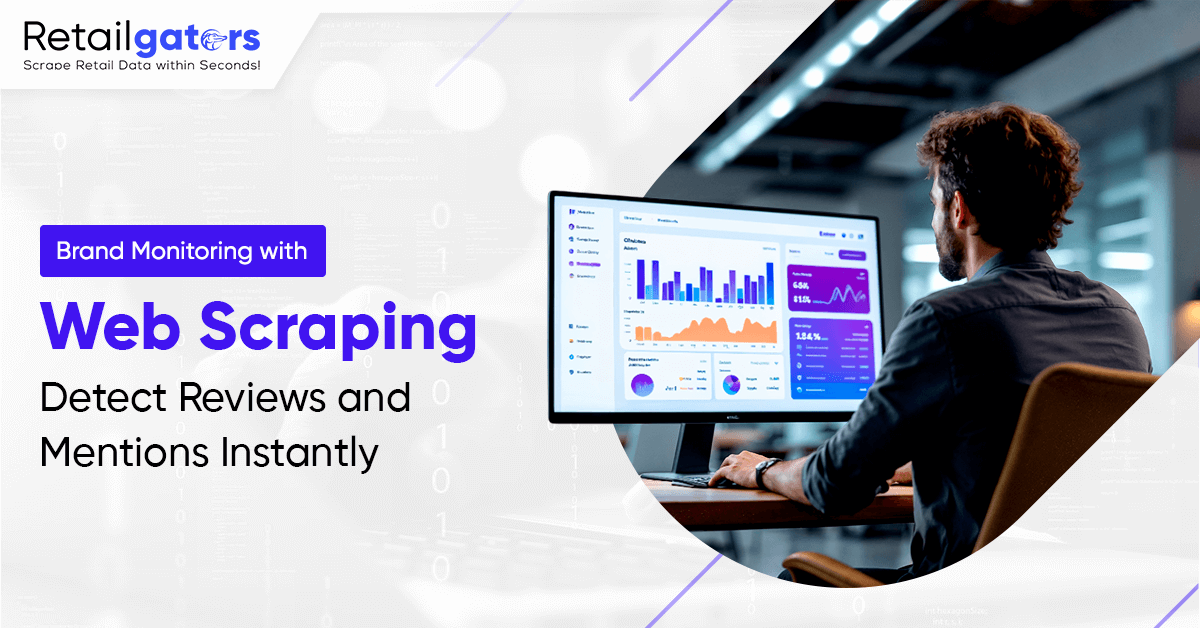
Enterprise brand monitoring platforms provide sophisticated reporting capabilities that cater to different organizational needs and stakeholder requirements. Executive dashboards focus on high-level sentiment trends and key performance indicators, while operational dashboards provide detailed insights for customer service and marketing teams.
Customizable reporting systems allow businesses to define specific metrics, create automated report schedules, and establish alert thresholds that align with their unique business objectives. These systems can generate everything from real-time crisis reports to comprehensive quarterly reputation analyses.
Advanced reporting capabilities include white-label options for agencies, API integrations for custom applications, and export capabilities for further analysis in specialized tools. This flexibility ensures that brand monitoring insights can integrate seamlessly into existing business processes and decision-making workflows.
Implementation Best Practices and Considerations
Ethical and Legal Compliance
Implementing web scraping for brand monitoring requires careful attention to ethical considerations and legal compliance requirements. Responsible scraping practices respect website terms of service, implement appropriate rate limiting, and avoid activities that might impact target site performance.
Legal compliance involves understanding data protection regulations, intellectual property considerations, and jurisdictional requirements for data collection and storage. Businesses must establish clear policies for data handling, user privacy protection, and compliance with regulations like GDPR or CCPA.
Best practices include implementing transparent data collection policies, providing opt-out mechanisms where appropriate, and maintaining secure data storage systems that protect collected information. These practices build trust with stakeholders and ensure long-term sustainability of monitoring operations.
Technology Integration and Organizational Alignment
Successful brand monitoring implementation requires seamless integration with existing business systems and processes. Integration considerations include CRM connectivity, customer service platform integration, and marketing automation system compatibility.
Organizational alignment involves establishing clear workflows for handling monitoring insights, defining response protocols for different types of alerts, and training team members on system capabilities and best practices. This alignment ensures that monitoring investments translate into measurable business improvements.
Change management strategies help organizations adapt to real-time reputation management capabilities and develop new operational rhythms based on continuous brand intelligence. This adaptation process is crucial for maximizing the value of advanced monitoring systems and building competitive advantages through superior reputation management.
Future Developments and Emerging Technologies
The future of brand monitoring lies in artificial intelligence advancement, real-time processing capabilities, and predictive analytics sophistication. Emerging technologies include computer vision for visual brand mention detection, voice analysis for audio content monitoring, and advanced natural language processing for deeper sentiment understanding.
Integration with Internet of Things devices, smart retail environments, and augmented reality platforms will expand monitoring capabilities beyond traditional digital channels. These developments will provide unprecedented visibility into brand perception across all customer interaction points.
Machine learning advancement will enable increasingly sophisticated predictive capabilities, automated response systems, and personalized reputation management strategies. These technological developments will transform brand monitoring from reactive information gathering into proactive reputation optimization and strategic market positioning.
Conclusion
Brand monitoring with web scraping represents a fundamental shift in reputation management capabilities. By automating the detection and analysis of reviews and mentions across the digital ecosystem, businesses gain the real-time insights necessary for competitive success in modern markets.
The technology enables proactive reputation management, rapid crisis response, and data-driven product development decisions that were previously impossible with traditional monitoring approaches. As digital channels continue to proliferate and customer expectations for responsive service increase, automated brand monitoring becomes essential infrastructure for business success.
Organizations that invest in comprehensive brand monitoring systems gain sustainable competitive advantages through superior customer intelligence, rapid market responsiveness, and optimized reputation management. RetailGators helps to transform brand management from reactive damage control into market positioning and customer relationship optimization.
The future belongs to businesses that can monitor, analyze, and respond to their digital reputation in real-time. RetailGators, a prominent leader in web scraping technology makes this capability accessible and scalable, providing the foundation for next-generation reputation management and customer experience excellence.