What Are the Largest Grocery Chains in America in 2026?
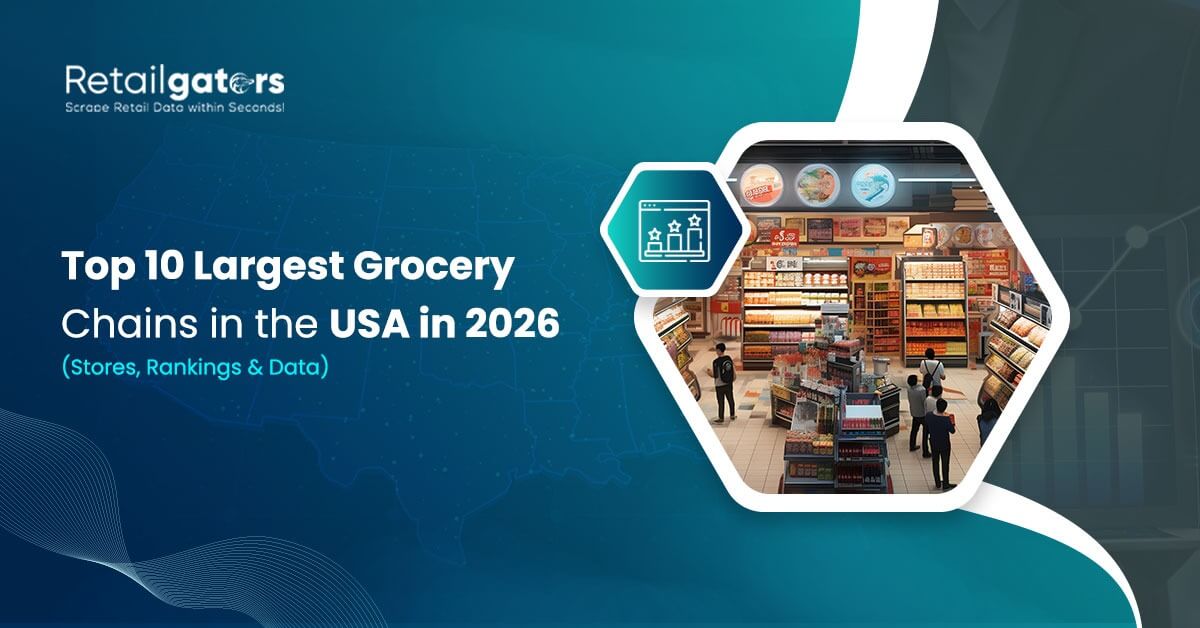
The largest grocery chains in the United States are ranked by store count and market presence. Based on current data, ALDI leads with 2,624 locations, followed by Albertsons Companies with 2,279 stores and Publix with 1,467 locations. However, when measured by revenue and market share, Walmart dominates with 23.6% of the total grocery market.
The grocery retail sector generated approximately $864 billion in sales for at-home consumption in 2026. This figure represents a 4.06% compound annual growth rate, demonstrating the sector’s resilience despite economic pressures and changing consumer behaviors.
How Many Grocery Store Locations Operate in the USA?
As of 2026, the United States has approximately 305,156 grocery store locations. These range from massive warehouse hypermarkets to small specialty shops. The market includes traditional supermarkets, discount grocers, warehouse clubs, specialty food stores, convenience stores, and online grocery retailers.
Top 10 Largest Grocery Chains by Store Count
ALDI – 2,624 Locations
ALDI operates the most grocery stores in America with 2,624 locations across 40 states. The German discount grocer has expanded aggressively through acquisitions, including former Winn-Dixie and Harveys locations. Florida leads with 286 ALDI stores, representing 11% of the chain’s total footprint.
ALDI’s success stems from its focus on everyday low prices and private-label products. The chain opened over 225 new stores in 2026, marking an unprecedented expansion. RetailGators data shows that ALDI’s reach in Southern states increased by 5% this year alone.
Albertsons Companies – 2,279 Locations
Albertsons Companies ranks second with 2,279 stores across 36 states, operating in 1,217 cities. California hosts the most Albertsons locations with 585 stores, accounting for 26% of the company’s presence. The company operates under various regional banners, providing extensive coverage throughout the American grocery landscape.
Known for its vast selection of brands and commitment to quality products, Albertsons has become a staple for American shoppers. The chain emphasizes wellness programs and pharmacy services, with on-site pharmacists and personalized “Just for U” deals.
Publix – 1,467 Locations
Publix operates 1,467 stores throughout the Southeast, with Florida dominating at 908 locations (62% of all Publix stores). Founded in 1930, this employee-owned company consistently ranks high in customer satisfaction surveys, including the 2026 American Customer Satisfaction Index.
The chain competes at a premium price point compared to discount chains, leaning into quality and hospitality. Publix stores typically feature in-house bakeries, delis, pharmacies, and floral departments. The company’s strong internal culture and customer loyalty set it apart in the competitive grocery market.
Kroger – 1,249 Locations
The Kroger Company operates 1,249 stores across 35 states, with Texas hosting the most locations at 204 stores (16% of total). Founded by Bernard Kroger in 1883, the company opened its first store in Cincinnati, Ohio. Today, Kroger controls approximately 10% of the U.S. grocery market share.
Kroger has expanded its footprint by acquiring smaller chains and opening new stores in untapped markets. The chain’s network grew by 3% compared to last year, underlining its aggressive expansion strategy. Additionally, Kroger invested heavily in e-commerce platforms, with a 15% increase since 2024.
Food Lion – 1,110 Locations
Food Lion operates 1,110 stores primarily in the Southeast and Mid-Atlantic regions. North Carolina leads with 506 Food Lion locations, representing 46% of all stores. The brand typically operates mid-sized stores in suburban and rural communities, serving as essential go-to options for everyday groceries.
Food Lion has modernized in recent years with remodeled stores, improved fresh offerings, and a stronger focus on its digital MVP Rewards system. The chain is owned by Ahold Delhaize, a Netherlands-based retail company operating through multiple regional banners.
Safeway Inc. – 913 Locations
Safeway operates 913 stores across the United States, focusing on fresh bakery items and in-house brands. The wellness journey took off in 2026, with pharmacists on-site and personalized deals powered by shopper purchase history.
Safeway partners with urban farms to deliver city-grown vegetables and hosts frequent “Healthy Eating” workshops for all ages. The chain doubled down on eco-friendly packaging, setting a trend for groceries that prioritize sustainability as much as savings.
IGA (Independent Grocers Alliance) – 632 Locations
IGA operates 632 stores across the United States, with North Carolina hosting 65 locations (10% of total). Each IGA store is independently owned, allowing locations to carry area specialties and seasonal items that national chains can’t match.
IGA launched “Hometown Proud” events in 2026, where stores hosted community markets, barbecues, and school supply drives, blending groceries with local spirit. Their “IGA Exclusive Brands” keep prices steady and let stores compete with the biggest chains while staying rooted in neighborhoods.
Trader Joe’s – 631 Locations
Trader Joe’s operates 631 stores throughout the United States, with California dominating at 206 locations (33% of total). The chain rides the wave of pop culture and social media popularity like no other grocery store, creating a unique shopping experience that resonates with younger consumers.
Trader Joe’s consistently ranks at the top of customer satisfaction surveys, sharing the top spot with Publix in the 2026 American Customer Satisfaction Index. The chain focuses on unique, private-label products at competitive prices, creating a cult following among dedicated shoppers.
Walmart Supercenters & Neighborhood Markets – 4,600+ Total Locations
While Walmart isn’t traditionally classified solely as a grocery chain, it dominates the U.S. grocery market with 23.6% market share. Walmart operates 4,605 U.S. stores as of January 2026, including 3,559 Supercenters and 691 Neighborhood Markets.
Walmart attracts 255 million customer visits each week across its global network. The company reported revenue of $500.4 billion in the first three quarters of fiscal year 2026. Over half of Walmart’s U.S. revenue comes from grocery sales, making it the undisputed leader by revenue.
The retail giant plans to build or convert more than 150 stores over the next five years while simultaneously remodeling 650 stores across 47 states and Puerto Rico. RetailGators analysis shows that Walmart’s expansion strategy focuses on underserved communities, bringing hundreds of jobs to each new location.
Target (SuperTarget & Expanded Grocery Sections) – 1,900+ Locations
Target operates approximately 1,900 stores with expanded grocery offerings, especially in SuperTarget locations. Grocery accounts for roughly 20-25% of Target’s total U.S. sales. The chain’s own grocery brand, Good & Gather, added 600 new items this year, helping shoppers fill carts with exciting options.
Target’s distribution network is expanding with new centers, allowing them to keep popular food constantly in stock and improve convenience during busy shopping times. Collaborations with pop culture icons and new checkout technology make Target’s grocery aisles a must-see for shoppers eager for fresh experiences.
What Types of Grocery Stores Dominate the U.S. Market?
The American grocery market consists of several distinct formats:
- Supermarkets: Traditional large stores offering a wide range of products across all categories. Kroger, Publix, and Albertsons exemplify this format.
- Discount Grocers: Stores like ALDI focus on lower prices through operational efficiency and private-label products. They typically carry limited assortments compared to traditional supermarkets.
- Warehouse Clubs: Membership-based stores like Costco and Sam’s Club offer bulk products at lower prices. Costco operates approximately 600 U.S. locations, generating massive grocery sales through its membership model.
- Specialty and Organic Stores: Chains like Whole Foods focus on health-conscious consumers, emphasizing organic, non-GMO, and responsibly sourced products.
- Convenience Stores: Smaller stores providing quick, easy access to everyday items, often located in urban areas or along highways.
How Do Grocery Chains Rank by Revenue and Market Share?
Revenue rankings differ significantly from store count rankings. Here’s how the market breaks down:
Walmart leads with 23.6% market share, generating hundreds of billions in grocery revenue annually. Kroger follows with just over 10% market share. Costco, despite having fewer locations than many competitors, ranks third by revenue due to its warehouse club model and high average transaction values.
The food retail market for at-home consumption reached $864 billion in 2026 and is expected to grow at a 4.06% CAGR through 2029. This growth is driven by population increases, demographic shifts, and the continued expansion of e-commerce platforms.
Which Regional Grocery Chains Lead Their Markets?
Several regional chains dominate their specific markets:
- H-E-B: This Texas-based regional grocer operates approximately 400 stores and has ranked first in dunnhumby’s U.S. Retailer Preference Index multiple times. H-E-B’s Texas-sized vision turned grocery shopping into a cultural event, with a deep focus on local suppliers, Texan beef, fresh tortillas, and unique salsas.
- Market Basket: Ranked second in dunnhumby’s 2026 Retailer Preference Index, Market Basket excels in the Northeast market.
- Woodman’s: Appearing in the Retailer Preference Index for the first time, this Wisconsin-based grocer replaced Costco as the third top U.S. grocer by customer preference.
- WinCo Foods: Operating primarily in the Western United States, WinCo Foods ranks sixth in customer preference, emphasizing employee ownership and low prices.
- Wegmans: This New York-based chain ranks ninth in customer preference, known for its extensive product selection and superior customer service.
What Are the Key Trends Shaping Grocery Retail in 2026?
Several major trends are transforming the grocery landscape:
Digital Transformation and E-Commerce Growth
Investment in e-commerce platforms increased by 15% since 2024. Digital sales for groceries are projected to make up 20% of total grocery sales by the end of 2026, with e-commerce revenue expected to hit $200 billion. Leading grocery chains heavily invest in user-friendly platforms and streamlined logistics.
Retailers like Whole Foods Market capitalize on growing online grocery services. Walmart generated $60.41 billion in e-commerce net sales in fiscal year 2024. Technologies like AI-driven personalized recommendations and efficient delivery systems enhance the online shopping experience.
Focus on Affordability and Value
Consumer research shows that 41% of a retailer’s long-term success is based on “saving customers money” through competitive pricing, promotions, and rewards. This marks a new record high and remains the most important of five customer perception pillars.
According to dunnhumby’s Consumer Trends Tracker, 56% of Americans cannot cover a $400 emergency, a metric that worsened since December 2024. This economic pressure drives consumers toward discount grocers and value-oriented shopping behaviors.
Health-Conscious Shopping and Organic Growth
The organic food sector witnessed an estimated 8% growth in 2026. Retailers diversifying their offerings to include health-focused products capture broader market share. Private-label organic products offer significant opportunities for maximizing profit margins while meeting consumer demand.
Consumer Reports reveals that 84% of shoppers view store brands as equal in quality to national brands. This trend allows grocery chains to bolster their private label offerings and attract cost-conscious consumers seeking healthier options.
Demographic Shifts and Ethnic Food Demand
The U.S. population is becoming more diverse, with increases in Hispanic, Asian, and other ethnic groups. These shifts drive demand for a wider variety of ethnic foods and specialty products.
Mexican food continues to dominate in popularity, second only to American and Italian cuisine. More than 85% of American counties have at least one Mexican restaurant. The demand for Filipino food surged by 50% in 2024, driven by Gen Z’s appetite for budget-friendly meals with bold flavors.
Technological Innovation and Supply Chain Efficiency
Leading players like Walmart and Kroger set themselves apart by investing in technology and supply chain efficiencies. They use data analytics to better understand customer preferences and optimize inventory management.
Notable trends include larger basket sizes for online orders and a preference for non-perishable items. Scan & Go apps make checkout fast and easy, while Plus memberships unlock premium rewards like free shipping, curbside pickup, and cashback on qualifying purchases.
How Can Consumers Choose the Best Grocery Chain?
Selecting the right grocery chain depends on individual priorities:
- For Budget Shoppers: ALDI, Walmart, and WinCo Foods offer the lowest prices through operational efficiency and limited assortments.
- For Quality and Service: Publix, Wegmans, and H-E-B rank highest in customer satisfaction, emphasizing hospitality and quality products.
- For Organic and Health-Focused Products: Whole Foods Market, Trader Joe’s, and natural food sections at major chains provide the best organic selections.
- For Convenience and Technology: Amazon Fresh, Walmart+, and chains with robust e-commerce platforms offer the most convenient shopping experiences.
- For Bulk Buying: Costco and Sam’s Club provide the best value for families and small businesses buying in large quantities.
What Does the Future Hold for American Grocery Retail?
The grocery retail landscape will continue evolving through 2029 and beyond. Several factors will shape this evolution:
- Continued E-Commerce Growth: Online grocery shopping will expand beyond the current 20% market share as technology improves and consumer habits shift.
- Expansion of Discount Formats: Economic pressures will drive continued growth for discount grocers like ALDI, which plans aggressive expansion in coming years.
- Regional Chain Strength: For the first time in 2026, the top three retailers in dunnhumby’s Retailer Preference Index are all regional chains (H-E-B, Market Basket, and Woodman’s), suggesting regional players can compete effectively against national giants.
- Sustainability Focus: Eco-friendly packaging, partnerships with urban farms, and locally sourced products will become increasingly important to consumers.
- Personalization Through Data: AI-driven recommendations and personalized deals based on purchase history will become standard across major chains.
Why Store Count Doesn’t Always Equal Success
RetailGators research shows that store count and revenue rankings differ significantly. ALDI leads in locations but doesn’t top revenue charts. Meanwhile, Costco generates massive sales with just 600 U.S. locations through its membership model and high average transaction values.
Success in grocery retail depends on multiple factors: operational efficiency, customer loyalty, pricing strategy, product quality, and technological innovation. The most successful chains excel across several metrics rather than focusing solely on expansion.
Conclusion: The Diverse Landscape of American Grocery Retail
The top 10 largest grocery chains in the USA in 2026 represent diverse business models and strategies. From ALDI’s 2,624 discount stores to Walmart’s dominant market share, from Publix’s employee-owned culture to Trader Joe’s cult following, each chain succeeds by meeting specific consumer needs.
Therefore, understanding these chains helps consumers make informed shopping decisions, investors identify opportunities, and industry professionals track market trends. As the $864 billion grocery market continues growing at a 4.06% CAGR, these leading chains will shape how Americans shop for food in the years ahead.